
The hidden cost of not knowing where things are
Not knowing exactly where a pallet or a bin is doesn't show up as a line item, but it's costing your warehouse time every single day. Here's where that cost actually hides.
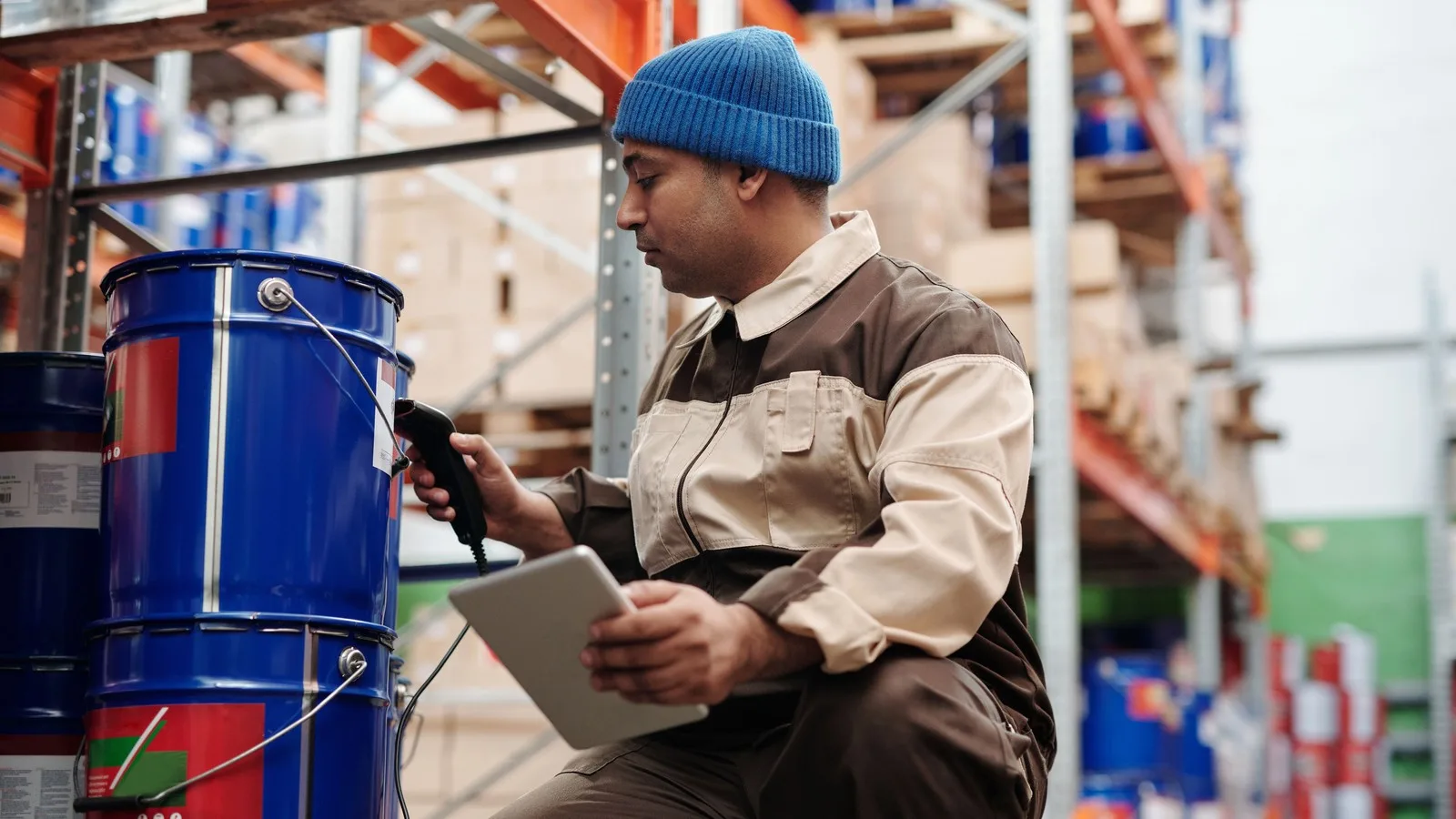
Ask a warehouse manager how much it costs them not to know where something is, and most will say "not much, we usually find it." That answer is the problem. "Usually find it" is a cost too, it's just one that never gets measured, because it's spread across a hundred small interruptions instead of one big number.
It's not one cost, it's a hundred small ones
A picker walks to a slot that's supposed to hold an item and it isn't there. A supervisor stops what they're doing to help look. A new hire, who doesn't yet know the floor by memory, takes twice as long to find anything because the layout only exists in someone else's head. None of these show up on a P&L. All of them add up to hours every week that never get billed to "search time" because nobody's tracking search time.
Tribal knowledge doesn't scale, and it doesn't take vacation
The most common way warehouses solve "where is it" today is a person. Someone who's been there long enough to just know. That works, right up until that person is out sick, changes shifts, or leaves. Then the knowledge leaves with them, and everyone else is back to searching.
Spreadsheets and whiteboards go stale the moment they're finished
A layout drawn once in a spreadsheet or sketched on a whiteboard is accurate for exactly as long as nothing moves. In an active warehouse, that's not very long. The gap between "what the document says" and "what's actually on the floor" grows every day, and nobody notices until it causes a real problem, like a customer order that can't be fulfilled because the inventory everyone thought was there isn't.
The fix isn't more process, it's less friction
The instinct is often to add a form, a checklist, an audit. More process. But the warehouses that actually keep accurate location data are the ones where staying accurate is the path of least resistance, not an extra task on top of the real job. A scan that takes two seconds and happens as part of the work someone was already doing beats a monthly count that happens instead of it.
Knowing where things are shouldn't be a skill one person has. It should be a question anyone on the floor can answer in seconds.
Apply this in your warehouse
Which asset is on which shelf? Find assets on a 3D warehouse map with Loqorina and see location addresses alongside movement history.
Select a location, scan the assets present and compare them with records. Separate missing assets, assets recorded elsewhere and confirmed matches.